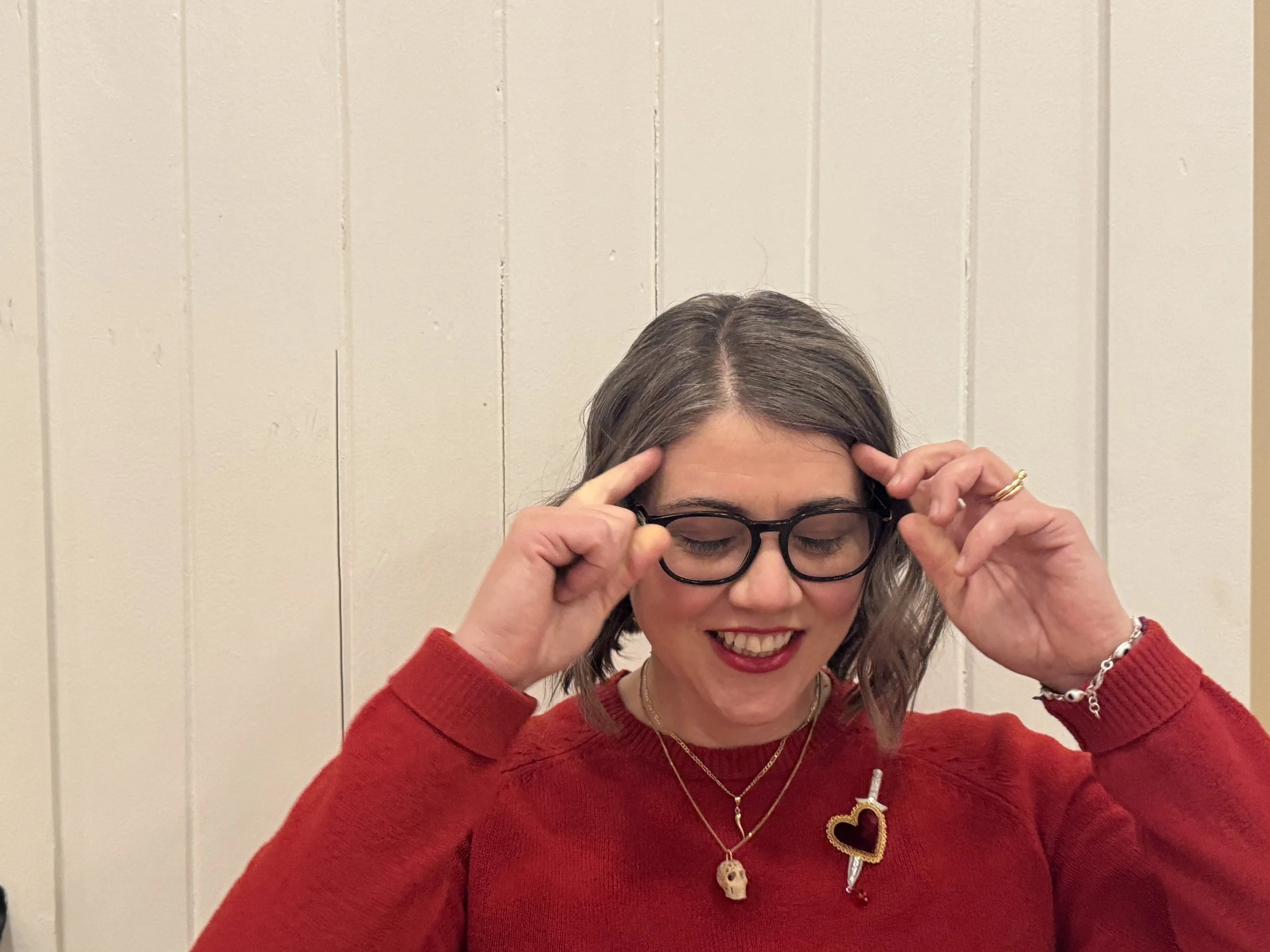
Lina Ribeiro
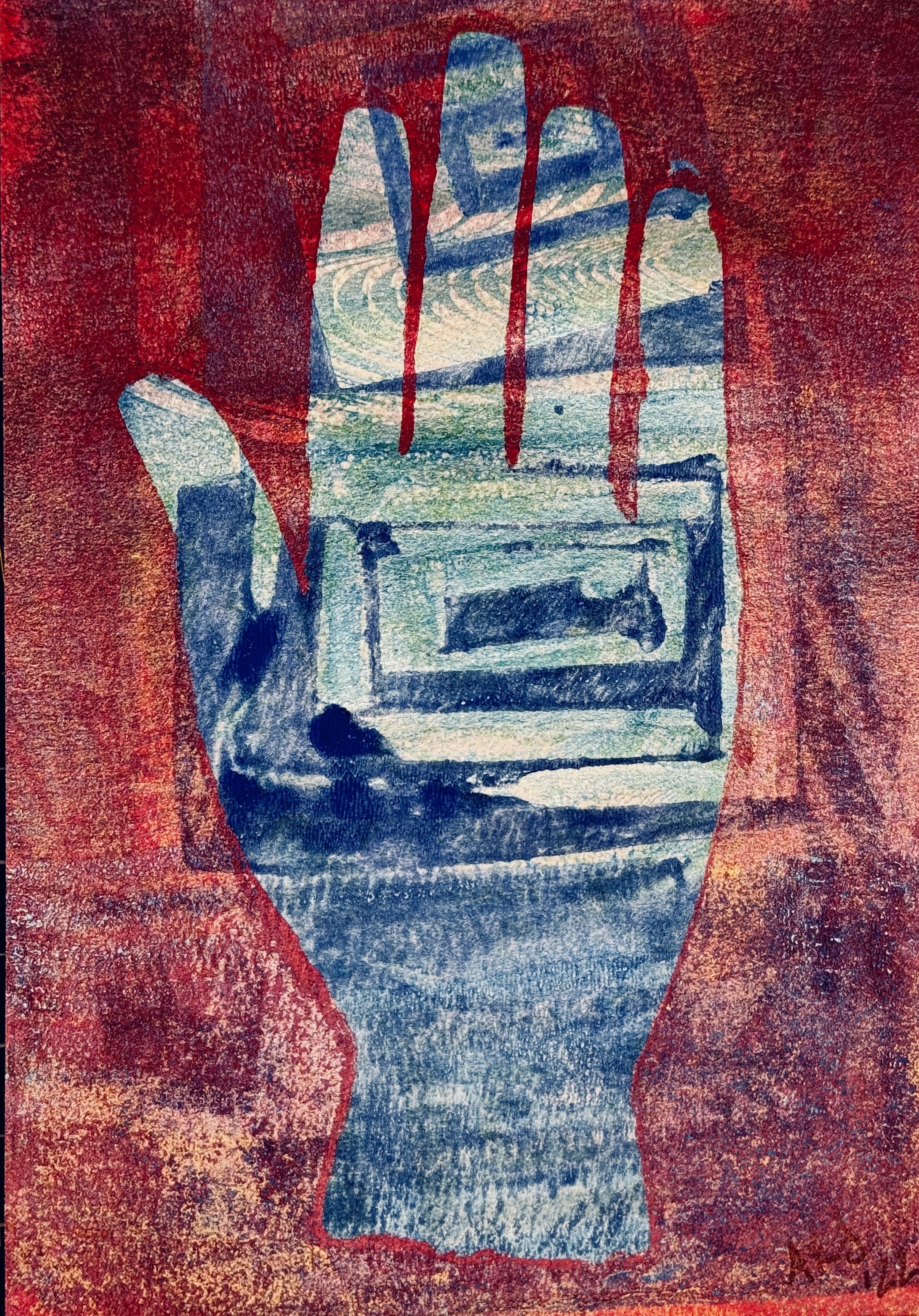
My background is in landscape architecture and historic preservation, and I spend my professional time working with a local community in Northern Virginia. I approach my visual art using a theoretical framework grounded in cultural geography. This is, of course, integrally linked to an understanding of natural and cultural processes and is deeply interdisciplinary in nature.
In my artistic work, I explore aspects of the natural world, including human-driven processes, from a place that engages with ways of knowing beyond those supported through traditional scholarship. The goal being to connect viewers to the larger landscape around us, both as actors shaping it and in response to biotic and abiotic aspects of place. My work is part of a larger dialogue that contextualizes and represents these landscapes.
As a resident of Northern Virginia, I am deeply interested in the geological spaces of the Coastal Plain and Piedmont and how this literal bedrock has shaped the flora and fauna of the Commonwealth. I am also interested in the history of local agricultural practices, including the legacy of enslavement that still informs so much of our racially stratified culture. In my art I can directly convey folk knowledge and more esoteric aspects of place through iconography and relationships between drawings. These cultural traditions and stories develop from the landscape. They develop from generations of people inhabiting and experiencing a place. They explain weather patterns, climatic shifts, and relationships between humans and other living beings.
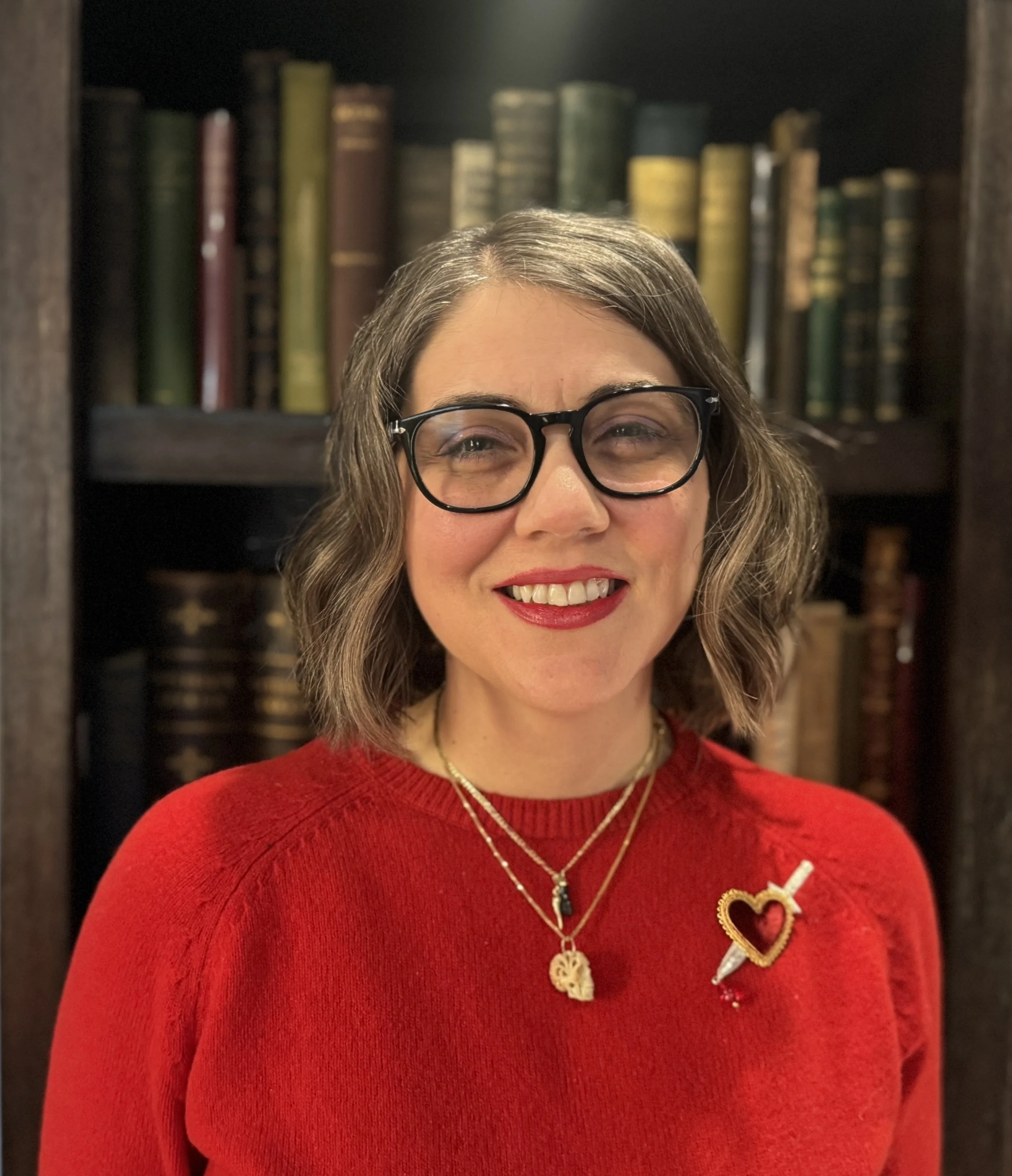
To truly know a landscape, we must learn its stories and intangible associations, as well as its observable, physical features. My art seeks to synthesize these intangibles with emblematic representations of the observable pieces of the landscape, such as water, plants, animals, buildings, and geology. My primary medium is pen and ink on hot-pressed watercolor paper and while on first inspection my drawings may look like botanical or architectural illustrations, I create my drawings within a larger system of pieces relating to each other. Through the layered, gestural quality of my ink strokes and frequent use of chiaroscuro, I seek to bring both movement and focus to my subjects. My drawings are typically meant to be seen in sequence or in relation to other drawings to further convey movement, the passage of time, and the interrelated nature of features within a landscape.
Join my community